What happens when you fall a stride behind the rival with only the home stretch left in RunMan: Race Around the World? Almost nothing is unrecoverable — a well-placed slide closes that gap fast — but watching a rival stay just ahead is exactly what the game is built to create.
| Genre |
Platformer Racer |
| Platform |
Browser |
| Status |
Long-running browser-era favorite |
Sprinting Through the World Tour of RunMan: Race Around the World
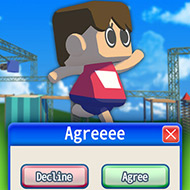
The setup is simple: you control RunMan, a lanky runner in oversized shoes, sprinting left to right through short levels while a rival tries to beat you to the finish line. It’s a running game built around race tension rather than pure survival.
Each level drops you into a different backdrop with its own palette and rival personality, so the game never settles into one visual rhythm. Gems scattered along the route add to your score if grabbed on the run.
Beginners almost always lose their first races by treating the level like a collectible checklist, veering off the fastest line for every gem instead of watching the rival. By the later world-tour chapters, the rival’s pace punishes wasted detours.
Meeting the Rival Racer in Each Region
Every stretch introduces a new rival with a different look and pace. Learning how aggressively each one closes gaps near the finish line matters more than memorizing the scenery.
Gems, Shortcuts, and Keeping the Lead
Gems aren’t decoration — they’re the score system layered on the race, and chasing a high gem count on a level you’ve cleared is a separate goal from just winning. Completionists replay early levels to clean up gem counts they rushed past.
Shortcuts matter more than first-time players expect. A slide under a low obstacle or a jump onto a ledge shaves real time off a run, and a memorized layout becomes second nature.
Casual players who just want the next backdrop can finish a level without mastering every shortcut, since the rival isn’t punishing early — the pressure to route efficiently shows up once later regions raise the speed.
- Gems scattered along the main path
- Shortcut routes over or under obstacles
- Hazards specific to each region’s terrain
Slides and Jumps That Save a Race
Sliding cancels momentum loss on low obstacles, while a well-timed jump can skip a hazard cluster entirely. These habits separate a comfortable win from a photo finish.
The Licensed Indie Soundtrack Behind RunMan: Race Around the World
One thing longtime players bring up most is the soundtrack. Instead of one looping theme, different levels are scored with real indie tracks, and the tonal shift between regions is as noticeable as the visual one.
It gives the game a mixtape feel unusual for a browser racer, and it’s part of why players who grew up with it still associate specific levels with specific tracks.
That said, the soundtrack variety is also divisive; some players prefer the earlier, faster tracks and find later ones slow the pacing.
Unlockable Runners and Costume Swaps
Clearing levels and hitting gem thresholds opens alternate runners and costume swaps for RunMan himself, giving completionists something to chase after beating every rival once.
None of the unlocks change core mechanics — you’re still sliding, jumping, and racing the same way — but the cosmetic variety keeps repeat runs from feeling like busywork.
Speedrunners generally ignore the unlocks and focus on shaving seconds off known routes, a good sign of how replayable the base structure is.
What Beginners Get Wrong in Early Levels
The most common early mistake is treating the rival as scenery instead of the real threat. Close races slip away in the final seconds when you’re watching your own runner instead of theirs.
Frequently Asked Questions About the World Race
- How do you beat the rival racer in RunMan: Race Around the World? Focus on the fastest clean line through each level rather than collecting every gem, using slides and shortcut jumps on memorized stretches to close any gap before the finish line.
- Do you have to collect every gem to clear a level? No — gems boost your score but aren’t required to finish, so first runs through a new region are usually about beating the rival, not maxing collectibles.
- Can you unlock new characters to play as? Yes, clearing levels and hitting gem totals unlocks alternate runners and costume swaps, though they’re cosmetic rather than mechanical.
RunMan: Race Around the World still holds up as a tight racing platformer because it never asks for more than quick reflexes and a good read on the rival’s pace, and rerunning a stretch just to beat your own gem count against a favorite track is still oddly satisfying.